

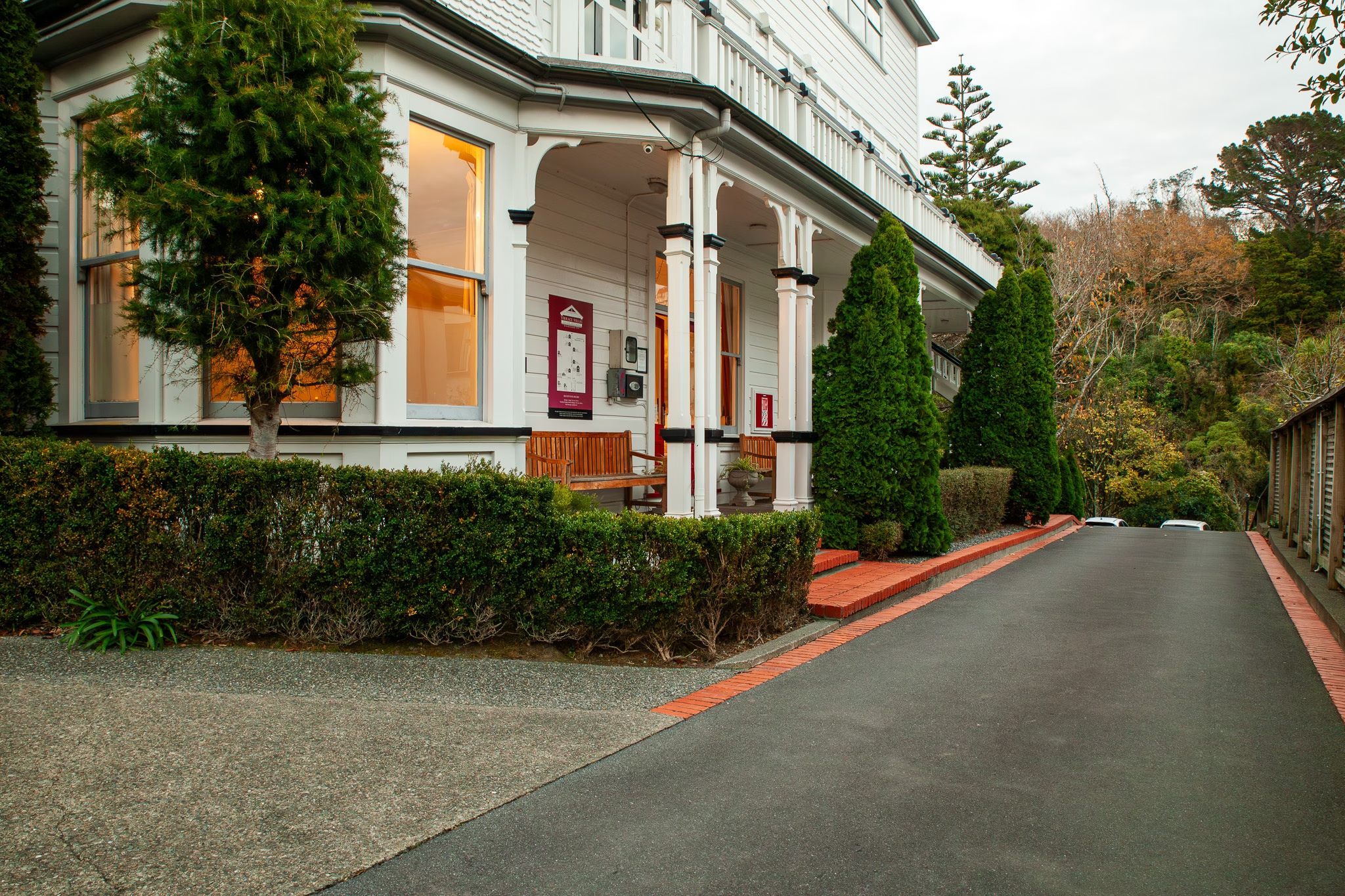
Heritage villa accommodation in the heart of Wellington
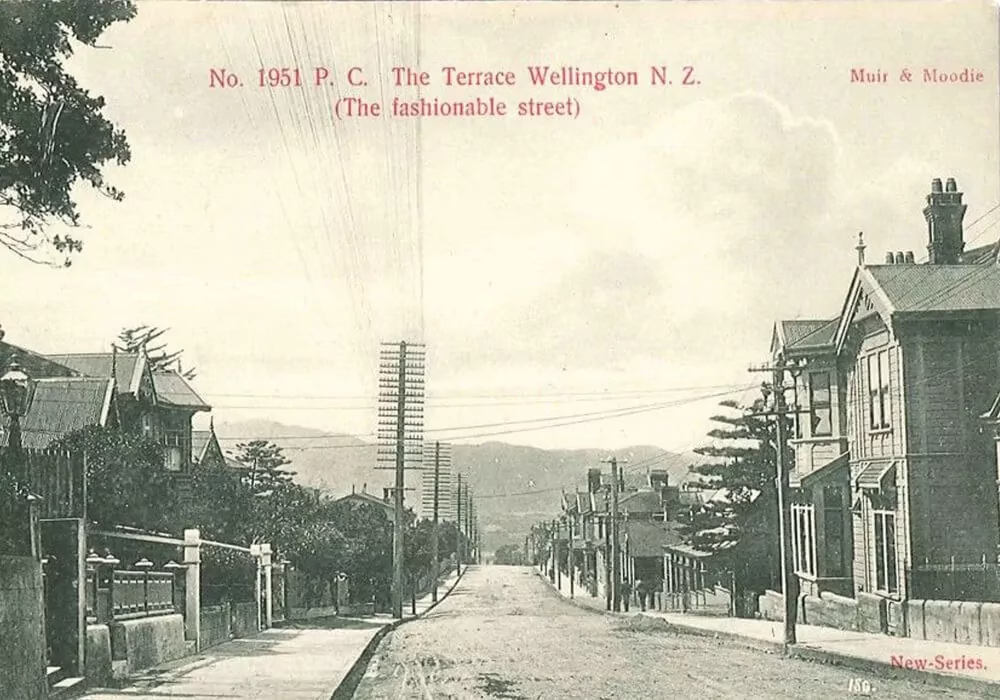
Our history on The Terrace
We’re proud of our long-standing heritage in New Zealand’s beautiful capital city.
Our story
When you stay at Terrace Villas, you’ll enjoy an iconic location on The Terrace in beautifully restored historical buildings.
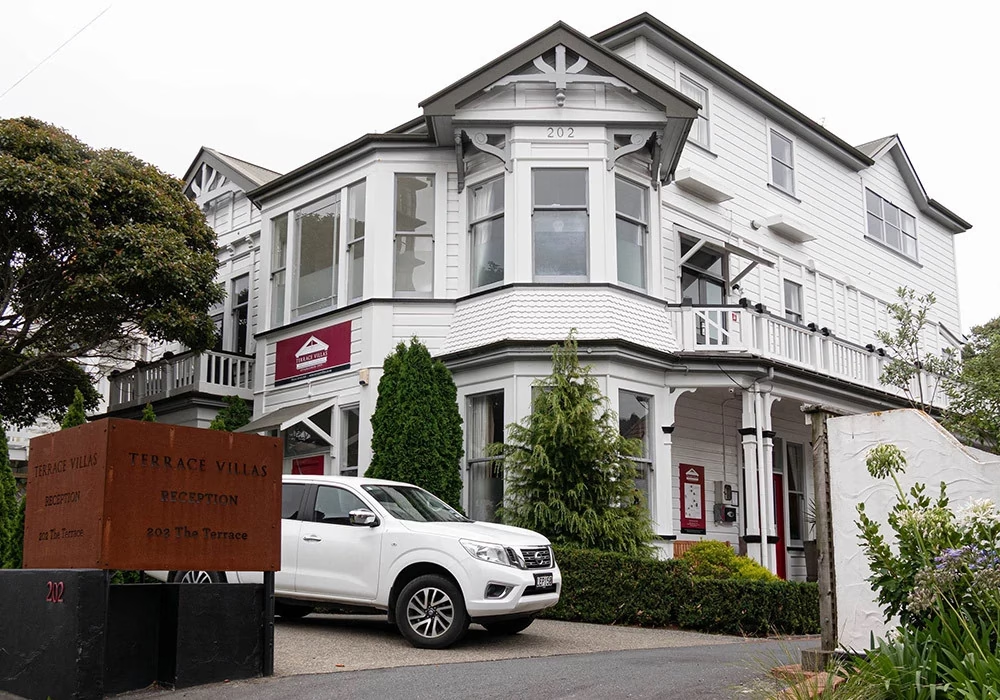
202 The Terrace
This solid, respectable house was built in 1906 for retired banker William Watson, who had been the chairman of the Bank of New Zealand during its troubled years of the 1890s. Born in Scotland, Watson had had considerable banking experience before arriving in New Zealand in 1886, notably some long tenures in Ceylon and Shanghai.
Like a number of houses along this stretch of The Terrace, Watson’s house was built on the site of an earlier house built in the 1870s – Rayden House – which had been the pride of William Travers whose consuming interest was botany.
Travers was a promoter of the Wellington Botanic Gardens and out the back of his property were fascinating gardens working their way down to the trickling Kumutoto Stream – now lying somewhere under the concrete of the city’s motorway.
214 The Terrace
This house was built circa 1902 for the retired and well-known bookseller, publisher and one-time Mayor of Wellington, John Rutherford Blair. Blair had owned the property since the early 1880s.
Blair had come to New Zealand in 1869 and set up business with fellow bookseller (and incidentally close neighbour on The Terrace) William Lyon, as Lyon & Blair. Upon retirement, the firm was sold to Whitcombe and Tombs.
Blair’s eminent position in commerce meant his passionate interest in education enabled him to be a member of many local school boards and a trustee of a number of educational institutions.
226 The Terrace
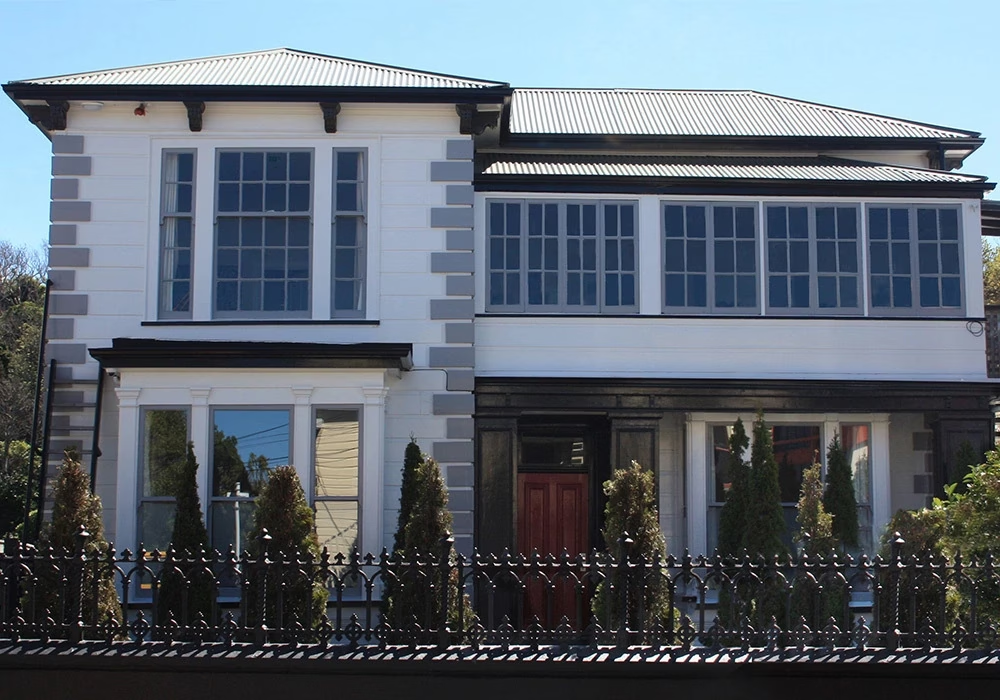
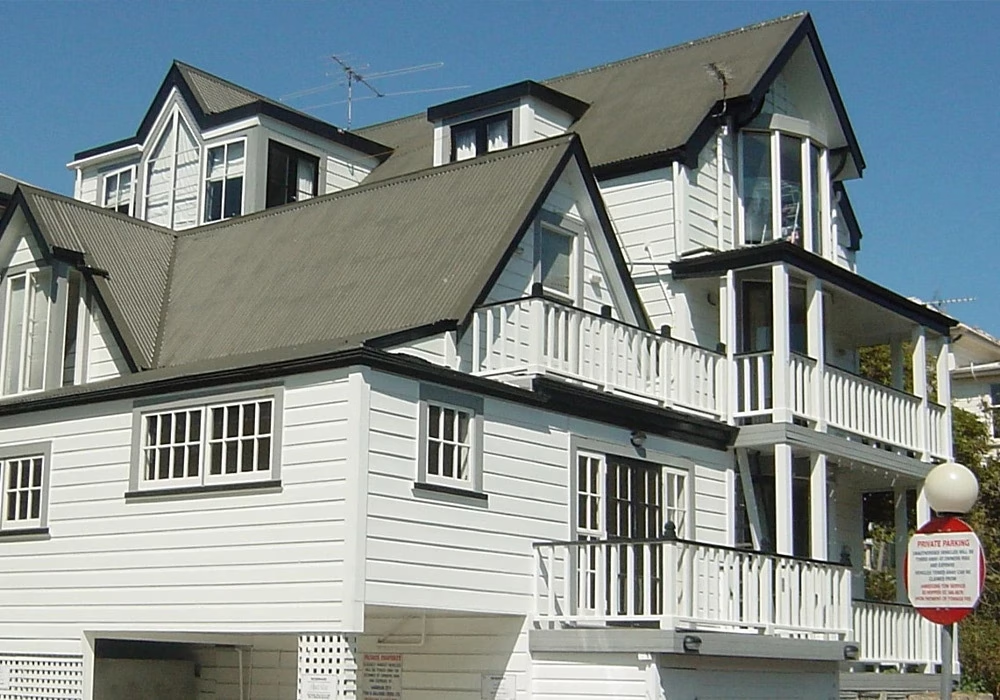
This house, called ‘Braeholm’ was built in 1895 for bookseller William Lyon as a retirement home and was popularly referred to among his friends as the ‘Lyon’s Den’.
Quite solid and sober from the front, it was actually built right up against an earlier house which itself became incorporated in the new structure.
This earlier house had been built late in the 1870s for James Gavin, one of the many civil servants who chose to live on The Terrace.
237 The Terrace
While most houses along The Terrace were owner-occupied, there were a few instances of speculative building. 237 The Terrace is one of three identical houses built for investment and had a succession of occupiers.
Speculative houses had been a feature of Wellington for decades. As the capital of New Zealand, it was home to most financial head offices and there had always been a demand for rental accommodation in the city from people with temporary postings.
For a brief period around 1910, number 237 was used as Mrs JF Clapshaw’s private school. Not unusual for the period, most cities hosted a proliferation of such small fee-paying private schools run by well educated men and women and unhampered by any powerful central curriculum control.
183 The Terrace
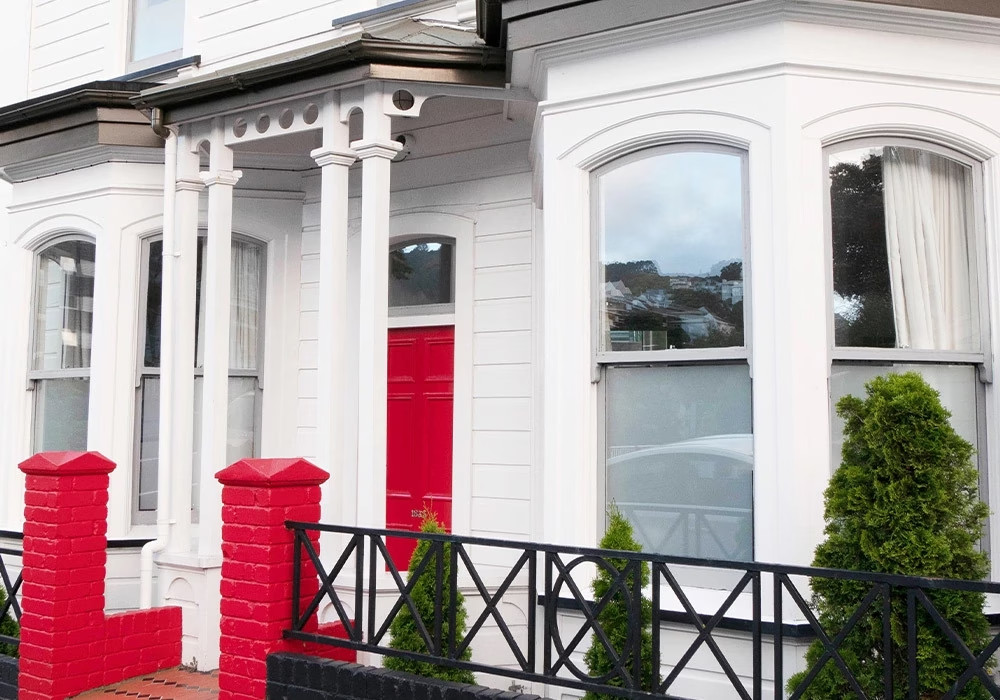
Like many houses on The Terrace, 183 presented two stories to the street but three balconied floors to take full advantage of what were unobstructed views to the town and wharves.
Named ‘Kincora’, it was for many years the home of James Gratten Grey who had come to New Zealand as a reporter for the Lyttelton Times and had ended up becoming chief Hansard reporter for Parliament.
Grey had come from a family strong in journalism in Ireland and while in New Zealand was a contributor to French and American magazines.
Stay somewhere with a story
Tell us your dates and we’ll put together a personalised, well-priced package that suits you or your group.